
Centre Slashes Fertiliser Subsidy by 84,000 Crore Rupees
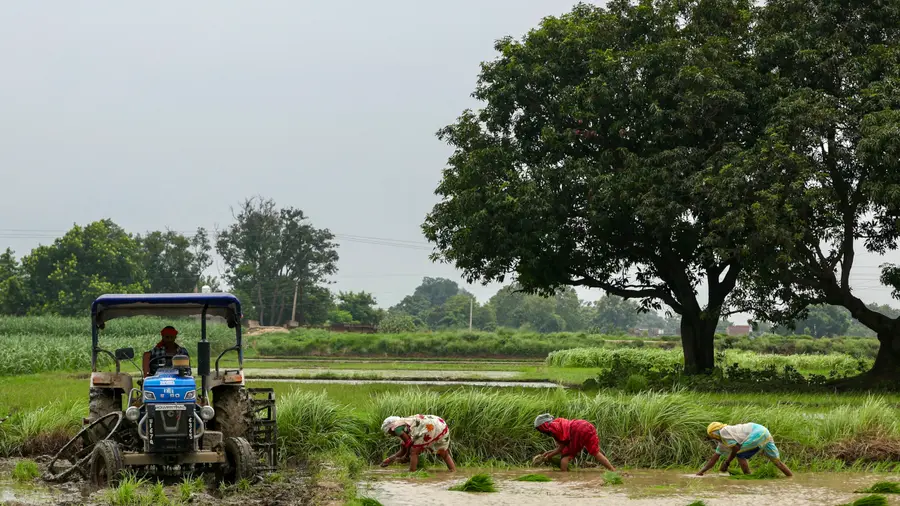
Farmers plant rice saplings in a waterlogged paddy field during the monsoon on the outskirts of Varanasi on July 12, 2025. (Photo by Niharika KULKARNI / AFP)

M Prasanth
Published on Jul 13, 2025, 11:13 AM | 3 min read
New Delhi: In a major blow to the agricultural sector, the Narendra Modi -led central government has slashed fertiliser subsidies by 84,000 crore rupees over the past two years, despite a continuous surge in global chemical fertiliser prices.
In 2023–24, the government had spent 2.51 lakh crore rupees on fertiliser subsidies. But in the 2025–26 Union Budget, the allocation was cut down to just 1.67 lakh crore rupees. The 2024–25 budget had earmarked 1.88 lakh crore rupees. With improved monsoon forecasts this year, the demand for chemical fertilisers is expected to increase. However, the rising global prices of fertilisers and their raw materials continue to pose a significant challenge.
These subsidy cuts were made without accounting for key global disruptions such as the Russia–Ukraine war, conflicts in West Asia, and China's restrictions on fertiliser exports — all of which have pushed prices up sharply.
The government’s subsidy mechanism involves direct payments to fertiliser manufacturers and importers. However, delays are common, forcing companies to borrow funds from public sector banks against pending subsidy dues. The government bears the interest on these loans, which is also factored into the total subsidy allocation. It remains unclear how much of this year's allocation will go towards interest and other liabilities.
The decision to cut subsidies while failing to implement the Swaminathan Commission’s recommendation for guaranteed Minimum Support Prices (MSP) is being seen as a betrayal of farmers. The supply of fertilisers has also not kept pace with demand, leading to shortages and inflation. Although good monsoons have helped the agricultural sector maintain an average annual growth of 4 per cent in recent years, the current crisis could reverse those gains.
With the industrial sector weakening, agriculture, which contributes around 19 per cent to India’s GDP, is crucial to keeping the economy afloat. Yet, even as farmer suicides continue unabated, the government’s indifference persists. In Maharashtra’s Chhatrapati Sambhajinagar division alone, farmer suicides rose by 32 per cent by March 2025. While 204 suicides were reported in 2024, the first three months of 2025 have already seen 269 deaths.
Cultivation Costs Set to Rise Sharply
Kottayam: The steep hike in fertiliser prices by the central government is set to drive up cultivation costs across the board, from paddy to vegetables. The price of a bag of potash has gone up by 250 rupees, DAP (Diammonium Phosphate) by 150 rupees, and NPK (Nitrogen, Phosphorus, Potash) compound fertilizers by 250 rupees.
Due to this, the cost of cultivating paddy per acre has risen from 28,000 rupees to over 40,000 rupees . The same trend is affecting coconut and other crops as well.
In Kerala, phosphate fertiliser usage dropped from 39,819 metric tons in 2022–23 to 33,210 metric tons in 2024–25, driven by the price increase. Potash usage also declined from 64,751 metric tons to 59,989 metric tons during the same period. This reduction in fertiliser use has negatively impacted both crop yields and farmer incomes.



Related News
Dont Miss it










0 comments