
Mark Carney's Liberal Party Wins Fourth Term in Canada Amid US Tensions

Web desk
Published on Apr 29, 2025, 01:20 PM | 3 min read
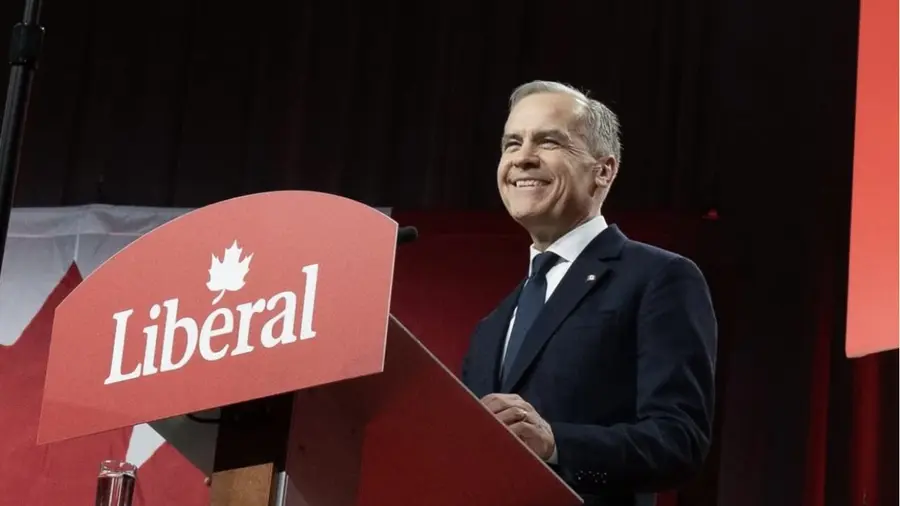
Toronto: Prime Minister Mark Carney’s Liberal Party has secured a fourth consecutive term in Canada’s federal election, according to projections by CBC and CTV News. The Liberals won 165 of the 343 seats in Parliament—falling short of the 172 needed for a majority—but are expected to form a government with support from smaller parties.
The opposition Conservative Party, led by Pierre Poilievre, captured 145 seats, a significant setback despite leading in early polls. The surprise Liberal comeback was fueled in part by heightened tensions with the United States, particularly following a series of provocative statements from U.S. President Donald Trump.
In the final stretch of the campaign, Trump threatened new tariffs on Canadian goods and made inflammatory remarks suggesting Canada should become the 51st U.S. state. His comments, posted repeatedly on social media—including on election day—sparked widespread outrage across Canada, shifting the campaign’s tone and uniting voters around a message of national sovereignty.
Carney, 60, who replaced former Prime Minister Justin Trudeau just a month before the election, positioned himself as a steady hand during uncertain times. A former governor of the central banks of both Canada and the United Kingdom, Carney emphasized his economic credentials and crisis management experience. He pledged to protect Canada's interests amid growing U.S. hostility and to diversify the nation’s global trade relationships.
This election saw an energized electorate, with a record-breaking 7.3 million Canadians casting early ballots. Key issues included economic insecurity, a growing cost-of-living crisis, and Canada’s dependence on U.S. trade—more than 75 percent of Canadian exports go to the American market.
Poilievre had aimed to make the election a referendum on the Liberals’ economic record under Trudeau, whose popularity waned amid rising housing and food prices. However, Trump’s aggressive posture appeared to backfire for Conservatives, bolstering nationalist sentiment and rallying undecided voters behind Carney.
The Bloc Québécois, a separatist party based in Quebec, is expected to finish third, while the New Democratic Party (NDP), which had supported the Liberals in previous minority governments, is projected to lose several seats.
Throughout the campaign, Carney pledged to redirect revenue from any retaliatory tariffs on U.S. goods to support Canadian workers affected by the trade dispute. He also vowed to maintain the government’s dental care program, introduce a middle-class tax cut, manage immigration levels sustainably, and increase funding for the Canadian Broadcasting Corporation.
Perhaps most notably, Carney committed to reducing Canada’s economic dependence on the United States by strengthening trade ties with Europe, Asia, and other global partners.
This election marks one of the most dramatic political turnarounds in modern Canadian history, with foreign policy—rather than domestic issues—emerging as the defining theme of the campaign, echoing the 1988 national debate over free trade with the U.S.



Related News
Dont Miss it










0 comments